 Chain Briefing HQ
 Exploring Sidechains vs Layer 2 Solutions in Blockchain
Table of Contents
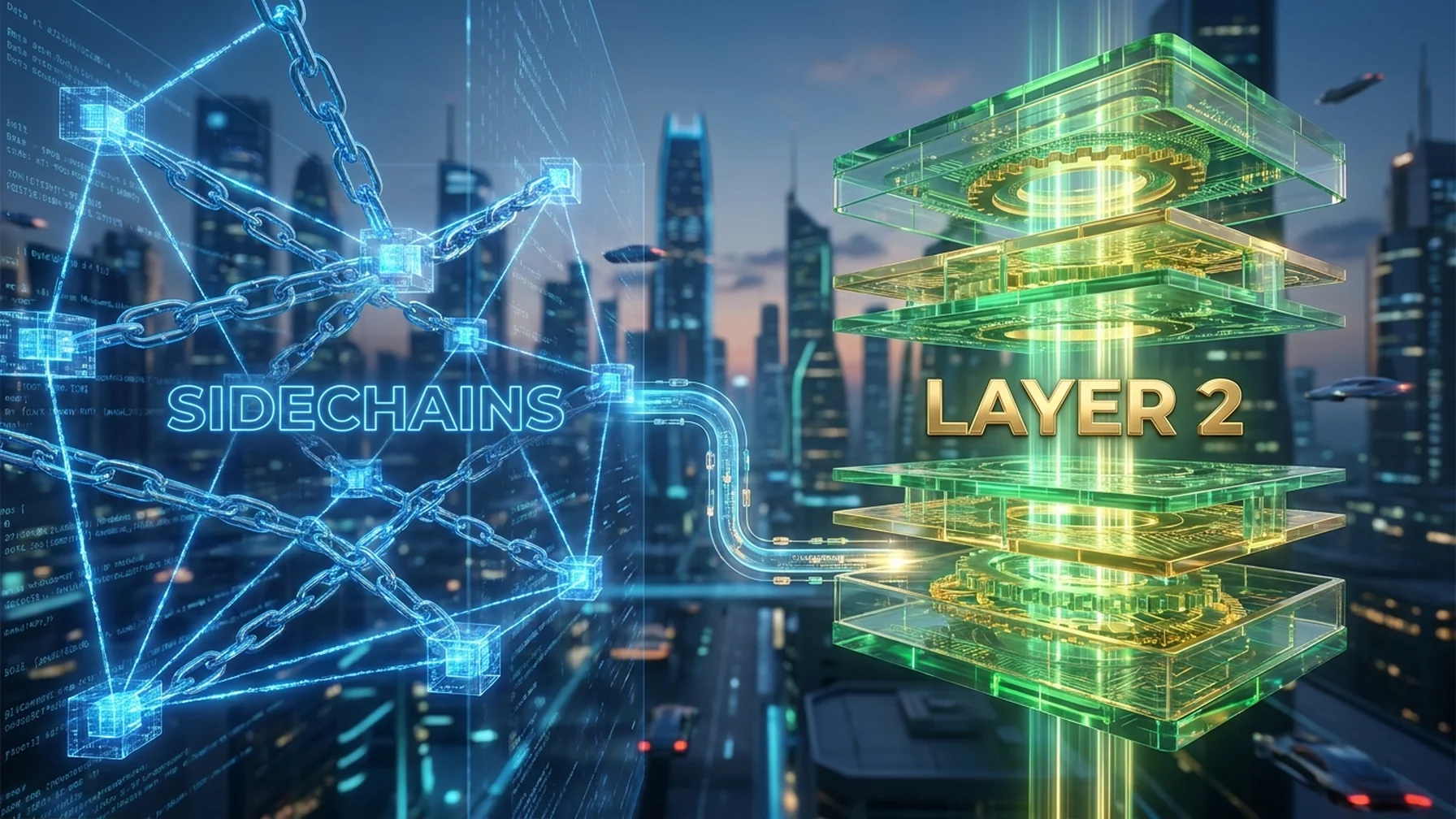
Discover the differences between sidechains and Layer 2 solutions in blockchain. Learn how each enhances scalability and efficiency in technology.
In the fast-paced world of blockchain technology, two terms often emerge in discussions about improving scalability: sidechains and Layer 2 solutions. Both aim to enhance blockchain networks' efficiency, but they function differently and have unique roles. This article delves into the details of sidechains vs Layer 2 solutions, providing insights into their specific contributions to blockchain technology.
Understanding Sidechains and Layer 2 Solutions
Sidechains are independent blockchains that run alongside a main chain, such as Ethereum or Bitcoin. They facilitate cross-chain transactions and provide extra functionality without overloading the main chain. In contrast, Layer 2 solutions are protocols built on top of existing blockchains (Layer 1) to boost transaction throughput and lower gas fees.
- Sidechains: Operate independently, feature their own consensus mechanisms, and offer design flexibility.
- Layer 2 Solutions: Built directly on Layer 1 blockchains, enhancing scalability through various techniques.
Understanding these differences is crucial for developers and users aiming to leverage blockchain technology effectively.
Key Features of Sidechains vs Layer 2 Solutions
To better understand the differences, let's examine the key features, benefits, and challenges of sidechains and Layer 2 solutions in a comparative table:
This table compares their scalability, interoperability, security, and use cases.
| Feature | Sidechains | Layer 2 |
|---|---|---|
| Scalability | Offers high scalability, operating independently from the main chain. | Improves transaction throughput by processing transactions off-chain while still relying on the main chain. |
| Interoperability | Can enable interaction with other blockchains. | Typically limited to the main chain it is built upon. |
| Security | Requires additional security measures, as they are not as secure as the main chain. | Inherits security from the main chain, benefiting from its decentralization and consensus mechanism. |
| Use Cases | Suitable for applications requiring unique consensus mechanisms or custom features. | Ideal for enhancing transaction speed for existing applications without altering core protocols. |
This comparative analysis helps users evaluate which technology is best suited to their projects and scaling needs within the blockchain ecosystem.
Consensus Mechanisms: Proof of Stake and Beyond
Consensus mechanisms are essential for ensuring blockchain security and efficiency. Proof of Stake (PoS) is gaining popularity due to its energy efficiency compared to Proof of Work (PoW). In PoS, validator nodes are selected based on the number of tokens they hold and are willing to "stake" as collateral. Networks like Ethereum 2.0 and many Layer 2 solutions use this approach.
Other mechanisms include sharding and account abstraction. Sharding divides the blockchain into smaller parts or "shards" to increase throughput, while account abstraction simplifies smart contract interactions. Here is a brief overview of these mechanisms:
| Consensus Mechanism | Main Feature | Example Usage |
|---|---|---|
| Proof of Stake (PoS) | Energy-efficient, uses staking | Ethereum 2.0 |
| Sharding | Increases throughput by splitting blockchain | Zilliqa |
| Account Abstraction | Simplifies smart contract interactions | Ethereum Layer 2 |
These mechanisms are selected based on a blockchain network's specific needs, balancing factors like efficiency, security, and scalability.
Layer 2 Solutions Explained: Rollups and More
Layer 2 solutions are diverse, with rollups being a popular option. Rollups bundle multiple transactions into a single transaction on the main chain, reducing congestion and costs. There are two main types:
- Optimistic Rollups: Assume transactions are valid by default, with a mechanism to challenge fraudulent transactions.
- ZK Rollups: Use zero-knowledge proofs to validate transactions without revealing details.
Both types of rollups increase blockchain throughput and help achieve higher transactions per second (TPS), making them suitable for various applications, including enterprise blockchain solutions and smart contract payments.
Steps to Compare Sidechains and Layer 2 Solutions
Understanding the differences between sidechains and Layer 2 solutions is vital for developers and enthusiasts in the blockchain space. Here are key steps to grasp their functionalities and impacts on scalability:
- Define sidechains and layer 2 technologies, outlining their primary purposes and functions within the blockchain ecosystem.
- Compare their mechanisms of operation, highlighting how they manage transactions and what benefits they bring to the main blockchain.
- Assess the use cases for each solution, examining real-world applications and scenarios where one may be preferred over the other.
Following these steps helps in appreciating the roles of sidechains and Layer 2 solutions in enhancing blockchain scalability and understanding their unique benefits and trade-offs.
Blockchain Bridges and Their Role
Blockchain bridges enable interoperability between different chains, allowing assets and data to move seamlessly. They are essential for connecting sidechains to Layer 1 networks or even bridging Layer 2 solutions across different blockchains. This interoperability is crucial for applications like blockchain identity and healthcare, where data needs to be both accessible and secure across networks.
Conclusion: Choosing Between Sidechains and Layer 2 Solutions
The choice between sidechains and Layer 2 solutions depends on specific needs and goals. Sidechains offer independence and flexibility, ideal for specialized applications like supply chain blockchain. Layer 2 solutions provide enhanced scalability and reduced costs, suitable for applications requiring high throughput, such as blockchain payments and gaming.
As the blockchain ecosystem continues to grow, understanding the differences and benefits of sidechains vs Layer 2 solutions will be essential for developers and businesses looking to harness this technology effectively.